
Malaysia Attracts Strong Investment Despite Global Uncertainty

Malaysia continues to attract strong investor interest, with major investment projects and foreign direct investment (FDI) inflows supporting economic growth despite global geopolitical tensions and supply chain uncertainties. The country’s diversified economy, stable financial system, and strategic location remain key attractions for international investors. Key Developments Business Impact Economic Outlook Malaysia’s economy expanded by 5.4% […]
Global Trade Cooperation Becomes Key Focus Ahead of G7

World leaders and major economies are emphasizing international cooperation amid concerns about slowing global growth, trade tensions, and market volatility. Key Developments Business Impact Economic Outlook Malaysia’s export sector may benefit if major economies maintain cooperative trade policies and avoid further escalation of trade barriers. Source: https://www.reuters.com/world/china/china-joins-macron-led-video-call-rare-economic-talks-ahead-g7-summit-france-2026-06-11/
Malaysia’s Economy Continues Showing Resilience

Recent economic assessments indicate that Malaysia’s economy remains on a positive trajectory despite global trade uncertainties and geopolitical tensions. Key Developments Business Impact Economic Outlook Analysts believe Malaysia’s diversified economy, resilient domestic consumption, and continued investment inflows will help support sustainable growth throughout 2026 despite global headwinds. Source: https://www.reuters.com/world/asia-pacific/malaysia-lifts-2026-growth-forecast-slightly-despite-trade-disruptions-rising-2026-03-31/
PETRONAS and Eni Launch Major Southeast Asian Gas Venture

Malaysia’s national energy company PETRONAS and Italy’s Eni officially launched Searah, a joint venture aimed at expanding natural gas operations across Malaysia and Indonesia. Key Developments Business Impact Economic Significance The project demonstrates continued investor confidence in Southeast Asia’s energy market and supports Malaysia’s ambition to remain a major natural gas producer and exporter. Source: […]
El Nino Expected to Impact Malaysia’s Agricultural Output

Malaysia’s Economic Ministry has warned that the upcoming El Niño weather phenomenon could reduce national crop yields by between 8% and 10%, creating potential challenges for the agriculture and food sectors. Key Developments Business Impact Economic Outlook Businesses in agriculture, food processing, and retail sectors are expected to strengthen contingency planning and diversify sourcing strategies […]
Malaysian Businesses Expected To Remain Resilient Despite Global Challenges

The National Chamber of Commerce and Industry of Malaysia (NCCIM) believes Malaysian businesses will remain resilient despite global geopolitical tensions, rising costs, and supply chain disruptions. Key Developments Business Impact Source: https://www.malaymail.com/news/money/2026/05/15/ringgit-supported-by-malaysias-strong-economic-outlook-and-reform-momentum-says-bnm/220031
Malaysia Economy Grows 5.4% In First Quarter Of 2026

Malaysia’s economy expanded by 5.4% in Q1 2026, supported by strong domestic demand, investment activities, and continued export growth. Bank Negara Malaysia said household spending and business investments remained resilient despite global uncertainties. Key Developments Business Impact Source: https://bernama.com/lite/news.php?id=2557259&utm_source=chatgpt.com
AirTrunk Invests US$3 Billion In New Johor Data Centres

Australian data centre operator AirTrunk announced a US$3 billion investment to build two new hyperscale data centres in Johor Bahru. The expansion will: Business Impact: Economic Impact: Source: https://www.reuters.com/world/asia-pacific/australias-airtrunk-invest-3-billion-two-new-malaysian-data-centers-2026-04-30/
Bank Negara’s RM5 Billion Relief Fund Opens for SMEs

Bank Negara Malaysia has introduced the SME Stabilisation Relief Facility (SME SRF) worth RM5 billion to assist businesses affected by global economic uncertainties. The initiative aims to: Business Impact: Economic Impact: Source: https://www.nst.com.my/business/corporate/2026/05/1434877/targeted-assistance-available-businesses-hit-rising-costs-%E2%80%93-bank
Global Air Cargo Demand Rises 4%, Led by Asia-Pacific Airlines
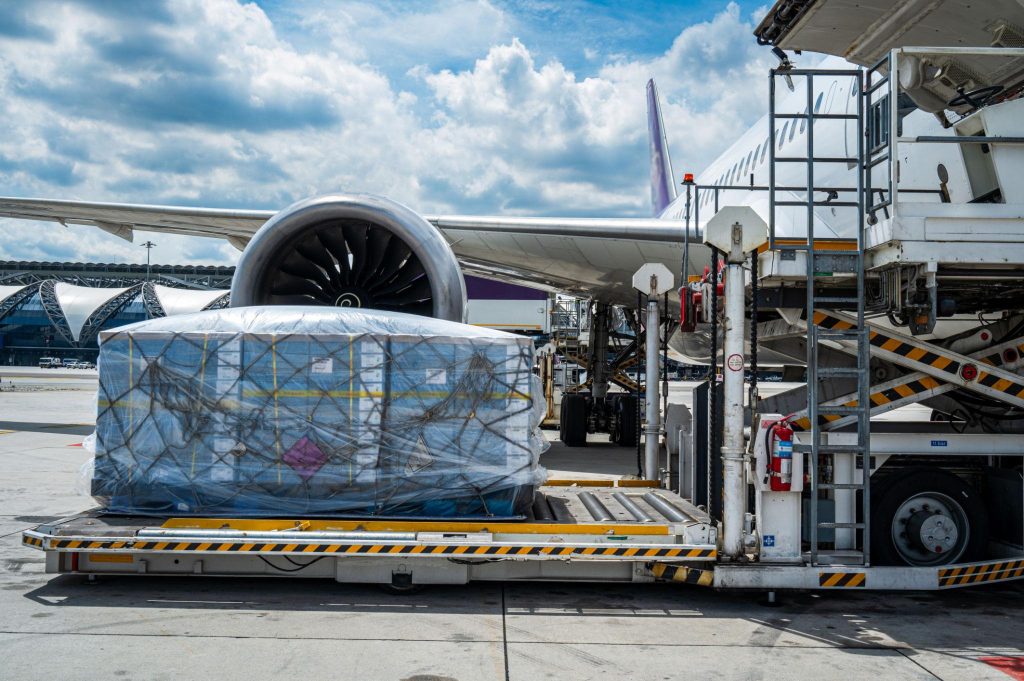
Global air cargo demand increased by 4.0% in April 2026 compared with the same period last year, with Asia-Pacific airlines recording the strongest growth among major regions. Growth was supported by: Business Impact: Economic Impact: Source: https://www.bernama.com/lite/news.php?id=2562489