
Published: 14 November 2025
What’s going on?
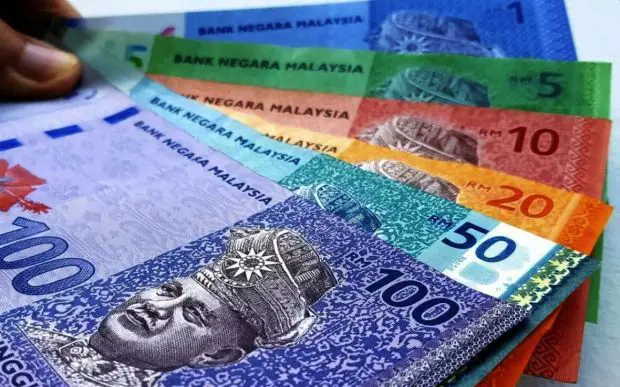
Malaysia’s currency, the Malaysian Ringgit (MYR), has posted a strong appreciation of 8.2% year‑to‑date (YTD) as of 12 November 2025 against the US dollar.
In the third quarter (Q3) of 2025, it registered a marginal rise of 0.05% compared to the previous quarter.
BNM Governor Datuk Seri Abdul Rasheed Ghaffour attributed the strength to both external and domestic factors — including easing US monetary policy, trade agreements, and Malaysia’s positive economic fundamentals.
Why this matters
- For consumers: A stronger ringgit can reduce the cost of imported goods and overseas travel, boosting purchasing power.
- For exporters: It could squeeze margins since foreign earnings convert to fewer ringgit.
- For the economy: It signals investor confidence in Malaysia and demonstrates resilience amidst global uncertainty.
- For policy watchers: The currency trend may influence interest rate decisions, inflation outlook and the competitiveness of Malaysian trade.
What to keep an eye on
- Developments in US Federal Reserve policy: Any further rate cuts or dovish signals could keep the ringgit supported.
- Malaysia’s trade agreements and external demand: Growth in exports and favourable trade relationships often bolster the currency.
- Domestic economic health: Credit growth, private sector investment and government structural reforms all feed into currency strength.
- Commodity prices: As a commodity‑exporting country, Malaysia’s currency can be affected by swings in key exports.
Final thoughts
The ringgit’s gain this year reflects a favourable mix of global conditions and domestic resilience. While this is good news for many Malaysians, currency strength isn’t without trade‑offs — particularly for export‑oriented sectors. It’s a reminder that currency trends are influenced by a blend of factors, both inside and outside Malaysia.