
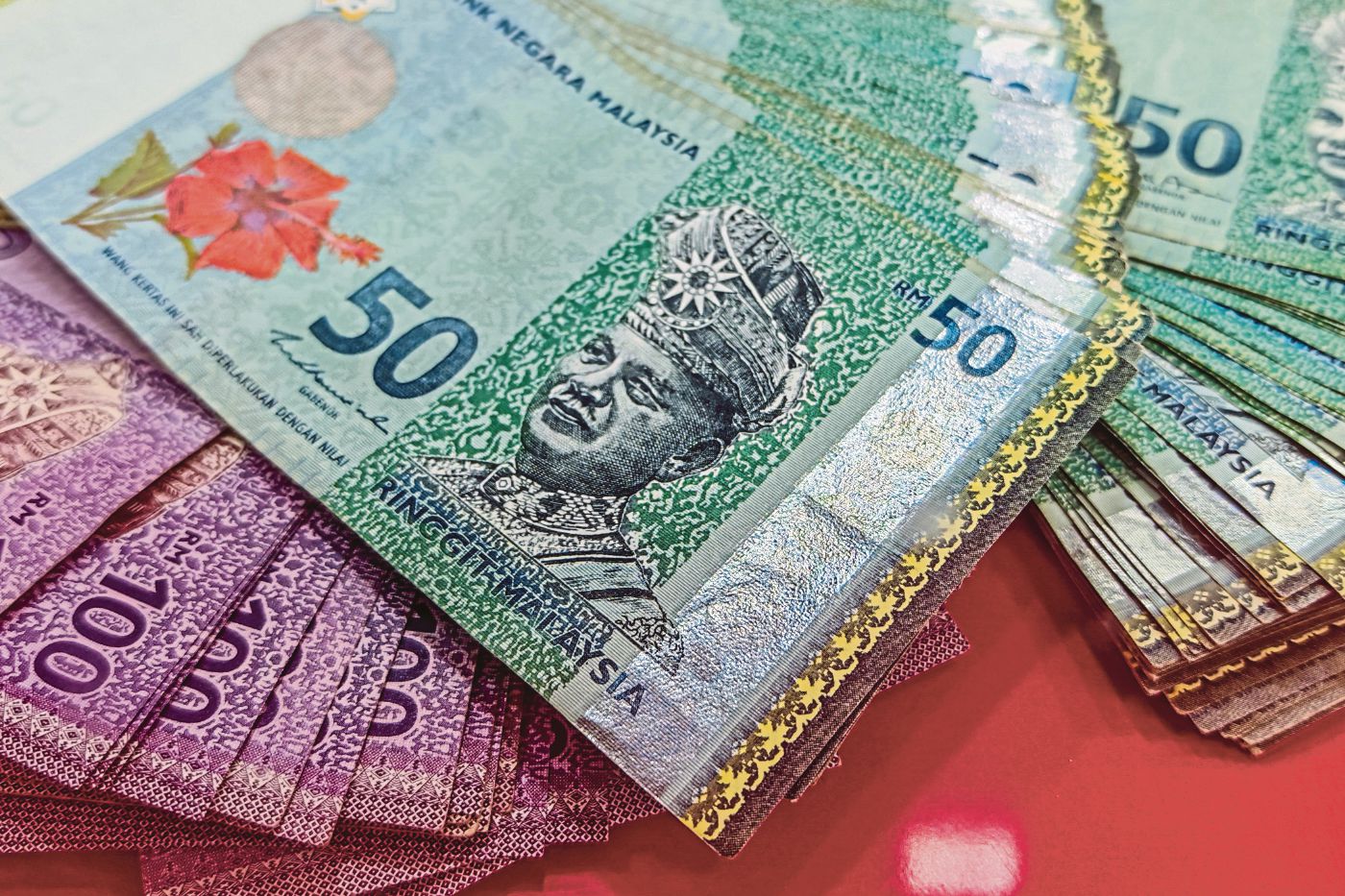
The Malaysian ringgit opened slightly weaker against the US dollar but strengthened against several major global currencies in early trading, reflecting cautious investor sentiment amid rising geopolitical tensions and global market uncertainty.
At 8am, the local currency traded at 3.9275/3.9400 against the US dollar, easing slightly from the previous close of 3.9240/3.9280, according to market data.
🌍 Global Uncertainty Weighs on Market Sentiment
Analysts noted that growing geopolitical tensions in West Asia have contributed to a more cautious global market environment. Investors are increasingly adopting a risk-off approach, favouring safer assets and cash holdings amid uncertainty.
Rising energy prices have also added to market volatility. Brent crude oil prices reportedly surged by nearly 10 percent to around US$101 per barrel, driven by escalating conflict in the region.
These developments have influenced currency markets globally, including the ringgit’s performance against the US dollar.
💱 Stronger Performance Against Major Currencies
Despite weakening against the greenback, the ringgit strengthened against several major currencies in early trading:
- Japanese yen: improved to 2.4666/2.4746
- British pound: strengthened to 5.2436/5.2603
- Euro: rose to 4.5249/4.5393
The ringgit also recorded gains against most regional currencies, including the Thai baht and Philippine peso, while trading nearly unchanged against the Indonesian rupiah.
📊 Focus on Upcoming US Federal Reserve Decision
Market participants are also closely watching the upcoming meeting of the Federal Reserve System, where policymakers will decide on the next move for US interest rates.
Any signals from the Federal Open Market Committee (FOMC) could influence global capital flows and currency markets, including the ringgit.
📌 Outlook for the Ringgit
For now, economists expect the ringgit to remain influenced by external global factors, particularly geopolitical developments and monetary policy decisions in major economies.
As investors monitor these developments closely, currency markets are likely to remain volatile in the near term, with the ringgit continuing to move in response to shifting global risk sentiment.